HomeHealthThe Impact of Digital...

The Impact of Digital Overload on Young Minds and Human Relationships

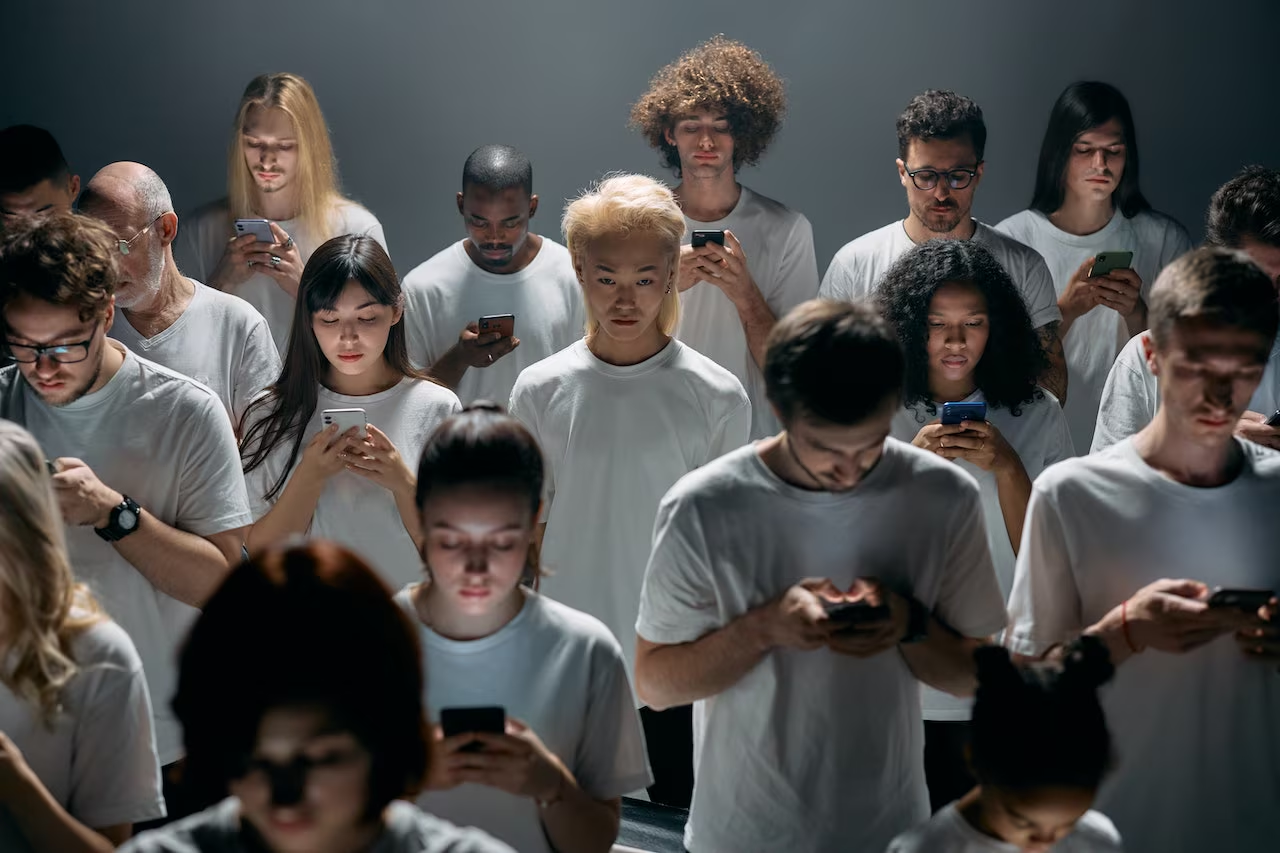
If you’ve ever found yourself doomscrolling late into the night, feeling mentally foggy after hours on TikTok, or comparing your life to the highlight reels of others, you’re not alone. The digital era has brought unprecedented access to information and connection, but it has also introduced a growing concern that is now drawing serious attention from researchers and mental health experts: “brain rot.”

Image Source: Bing Image. License: All Creative Commons

This term, which was named Oxford’s Word of the Year 2024, describes the perceived cognitive decline and emotional fatigue associated with the overconsumption of low-quality online content. While informal in origin, it reflects a very real set of concerns about how constant digital stimulation may be affecting attention, mood, and mental clarity—especially among adolescents and young adults.

At the core of this issue is how digital platforms are designed. Social media apps like Instagram, TikTok, and Facebook are built around rapid feedback loops—likes, shares, notifications—that trigger dopamine-driven reward systems in the brain. Studies suggest that this constant stream of social validation activates neural pathways similar to those involved in gambling or substance use, making these platforms potentially habit-forming or addictive. The endless scroll, powered by highly optimized algorithms, reinforces this cycle by continuously delivering engaging content tailored to user behavior.

Clickbait also plays a significant role in this environment. Research indicates that digital-native media outlets are more likely than traditional ones to rely on sensationalist tactics—such as exaggerated headlines, emojis, hashtags, and attention-grabbing visuals—to boost engagement. While effective for clicks and shares, these strategies contribute to information overload and reduce users’ ability to critically evaluate content or focus deeply on meaningful information.

The consequences of this digital saturation are increasingly evident. Among young people, high levels of screen time and social media use have been associated with rising emotional distress, anxiety, and depression. Constant exposure to curated lifestyles can negatively affect self-esteem and body image, particularly among teenagers. Cyberbullying and social comparison further intensify these effects, with studies linking negative online experiences to higher risks of depressive symptoms and suicidal ideation.

Cognitively, the effects are equally concerning. Excessive exposure to fragmented, low-value content can impair attention span, memory consolidation, and problem-solving abilities. The habit of switching rapidly between apps and notifications creates cognitive overload, making sustained focus more difficult. These trends appear especially pronounced in Gen Z and Gen Alpha, who have grown up in an always-connected digital environment.

Social relationships are also being reshaped. While digital platforms can foster connection, they have also contributed to behaviors such as ghosting, phubbing (phone snubbing), and more indirect forms of communication. Psychological attachment styles further influence online behavior: individuals with anxious attachment may seek constant reassurance through digital interaction, while those with avoidant tendencies may prefer limited or distant engagement. In both cases, excessive reliance on digital communication can complicate real-world relationships and reduce relationship satisfaction.

For teenagers, the implications are particularly significant. Developing social competence relies heavily on interpreting nonverbal cues such as facial expressions, body language, and tone of voice—skills that are best learned through face-to-face interaction. Research suggests that heavy reliance on digital communication may limit opportunities to develop these abilities, potentially affecting empathy, emotional regulation, and long-term social development.

Despite these concerns, solutions are available. Experts recommend a balanced, multi-layered approach to digital well-being. This includes setting limits on screen time, creating tech-free spaces, and using tools to monitor usage. Curating digital feeds to prioritize credible and positive content can also reduce exposure to harmful material. Equally important is engaging in offline activities such as sports, creative hobbies, and volunteering, which help restore cognitive balance and strengthen real-world social skills. Building strong support systems both online and offline further enhances emotional resilience.

Ultimately, the challenge is not to reject digital technology but to use it more consciously. As digital platforms continue to evolve, understanding their psychological effects—and developing healthier habits around them—will be essential in supporting the mental and social well-being of future generations.

- A word from our sponsors -

Most Popular

LEAVE A REPLY

Please enter your comment!
Please enter your name here

More from Author

The Role of Diet in Health: Comparing Plant-Based and Traditional Eating

What we eat is far more than just fuel—it plays a...

How Support Groups Create Healing Through Connection and Community

Have you ever felt like you’re carrying your struggles alone—whether it’s...

Why Kiwi and Certain Foods May Help You Sleep Better at Night

If you’ve ever spent the night tossing and turning, you’re definitely...

Should You Worry About Tea and Coffee Blocking Iron Absorption?

Have you ever wondered whether your daily tea or coffee might...

- A word from our sponsors -

Read Now

The Role of Diet in Health: Comparing Plant-Based and Traditional Eating

What we eat is far more than just fuel—it plays a central role in shaping our health, lifespan, and vulnerability to chronic disease. In today’s world of abundant ultra-processed foods and constantly shifting nutrition advice, research is increasingly pointing toward a simple truth: food quality matters deeply,...

How Support Groups Create Healing Through Connection and Community

Have you ever felt like you’re carrying your struggles alone—whether it’s a health condition, a major life change, or an emotional burden that feels too heavy to share? In moments like these, support groups can make a real difference. These are safe spaces—either in person or online—where...

Why Kiwi and Certain Foods May Help You Sleep Better at Night

If you’ve ever spent the night tossing and turning, you’re definitely not alone. Sleep problems are incredibly common—so common that a UK sleep-focused charity estimates that around 90% of people don’t get consistently good rest. While habits like reducing screen time and winding down with a book...

Should You Worry About Tea and Coffee Blocking Iron Absorption?

Have you ever wondered whether your daily tea or coffee might be quietly affecting your iron levels? If you enjoy your morning cup but still want to stay healthy, it’s worth knowing how these drinks can influence your body’s ability to absorb this important mineral. Iron is...

A Beginner’s Guide to Meditation and Mindfulness for a Healthier Mind

Meditation has existed for thousands of years, but it’s only in recent decades that science has started to confirm what ancient traditions have long understood: even a few minutes of calming the mind can have a powerful impact on both mental and physical well-being. Today, meditation is...

How Yoga Transforms Your Body and Mind and Improves Your Overall Well-Being

Yoga has evolved from its ancient roots in India into a widely embraced part of modern wellness culture. Originally developed as a spiritual practice focused on connecting the mind and body, it has grown into a widely used approach for supporting physical health, building mental resilience, and...

What Science Says About the Connection Between Exercise and Sleep

For a long time, people were told the same thing: avoid exercising too close to bedtime if you want a good night’s sleep. But newer research suggests the relationship between exercise and sleep is far more flexible—and often more beneficial—than previously believed. Regular physical activity is already known...

What to Know About Traveling Safely with Prescription Medications

Traveling is an exciting experience, but if you rely on medication, it does require a bit of extra preparation before you head out. The upside is that with a little planning, you can enjoy your trip without putting your health at risk. No matter where you’re going—whether...

Healthy Coffee Hacks That Don’t Compromise the Joy

For most of us, coffee is more than a caffeine boost—it's a daily ritual of comfort and solace. Whether you prefer a speedy pour-over or a foamy latte, your coffee routine is important not only for its taste but also for your well-being. With so many types...

What Makes Green Tea, Oolong, and Matcha the Stars of the Tea World

Tea isn’t just a drink—it’s a daily ritual, a source of comfort, and, as more research continues to show, a true partner in health. Whether you’re enjoying the subtle taste of green tea, the rich depth of oolong, or the vibrant kick of a matcha latte, you’re...

The Midlife Diet Habits That Shape Your Aging Journey

Aging well isn’t just about adding more years to your life—it’s about making those years truly enjoyable. It means waking up with energy, staying independent, and keeping your mind clear and engaged as time goes on. With more people now living well into their 70s and beyond,...

Pistachios and Grapefruit: The Underrated Power Duo Your Diet Needs

There's something inherently satisfying about finding foods that aren't only delicious but also good for you, too. If you want to upgrade your nutrition in a simple, yummy way, pistachios and grapefruit are two superstars worth having in your pantry. Nutrient-dense, antioxidant-rich, and full of special health...